"Help" Trap: A Counselor's Tale of Two Marriages
It started with a single word. "Help." .
"Alah, of course I’ll help with the baby lah," Aqeel said, leaning back on the couch in my counseling office. He sounded reasonable. He sounded like a good guy who was willing to pitch in.
But across from him, Nadia’s shoulders tensed. Her grip on her coffee mug tightened.
"Help?" she repeated, her voice quiet but sharp. "Aqeel, Tara is your baby juga lah. Not just my baby. Why does it sound like this is my job, and you're just visiting?"
Aqeel looked genuinely confused. "I'm just saying I'll help! What's the big deal?"
That right there? That confusion? That is the silent killer of modern marriages.
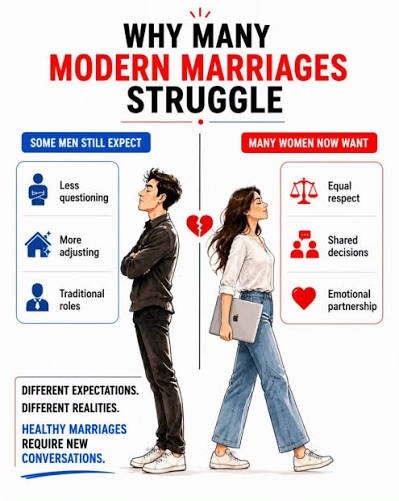
I see variations of this exchange almost every week in my counseling sessions. On the surface, it sounds trivial. Just semantics. But underneath, it's a collision of two completely different worlds.
Tale of Two Expectations
Aqeel grew up watching his father work 12 hours a day, come home, eat dinner, and watch the news. His mother did everything else: the cooking, the cleaning, the school runs, the midnight feeds. To Aqeel, being a "good husband" meant being the Provider. If he brings home the money, he's done his part. Anything else he does at home is "tolong"—a favor, a bonus, an act of kindness.
Nadia, on the other hand, grew up in a different era. She has a degree. She has a career. She sees her female friends burning out, trying to be CEOs by day and supermoms by night. To Nadia, a "good husband" is a partner. Someone who shares the mental load, who knows when the pediatrician appointment is without being asked, who wakes up at 3 AM because it's his turn, not because he's "helping."
Both of them believe they are right. Both think they are being reasonable. Aqeel thinks: "I'm working hard for us! Why is she nagging?" while Nadia thinks: "I'm working hard too! Why am I still the default parent?"
They aren't fighting about the baby. They are fighting because they are imagining two different marriages.
Ghosts of Our Parents' Homes
This isn't just about Aqeel and Nadia. It's about all of us.
Think back to your own childhood. What did you see? Maybe you're a guy who saw your dad never touch a broom, so you subconsciously think cleaning is "women's work."
Maybe you're a girl who saw your mom exhausted and resentful, so you swore, "I will never marry a man like that."
We are all walking into relationships carrying these invisible blueprints. And lately, the blueprints don't match anymore.
I read studies recently about Gen Z. They say young men are actually becoming more traditional than their fathers, wanting wives who are less independent. Meanwhile, young women are soaring ahead, demanding equality. It's like one person is trying to build a modern skyscraper while the other is still laying bricks for a kampung house. They are standing on the same plot of land, but they are building different structures.
Digital Echo Chamber
It doesn't help that our phones are whispering in our ears.
Scroll through TikTok or Twitter, and you'll find guys telling each other, "Women these days are too demanding. Just find a submissive one."
Then scroll a bit more, and you'll find girls saying, "Men are useless. Trust no one. Date yourself."
We are being taught to fear each other. Dating used to be about finding someone to build a life with. Now, for many, it feels like a negotiation treaty or a battlefield where you have to protect your interests before you even say "I love you."
A Story from My Own Life
I saw this play out in my own family. My uncle and auntie. Uncle worked hard, gave Auntie the house key and the allowance, and thought that was enough. Auntie raised four kids, managed the finances, cared for the grandparents, and never complained aloud. But I saw the light go out in her eyes. She wasn't unhappy because they were poor; they had enough. She was unhappy because she was lonely in her own marriage. She was the manager, the worker, and the CEO of the house, while he was just the investor.
I don't want that for my generation. And I don't think Aqeel and Nadia want it either.
The Turning Point
Back in my office, Aqeel finally stopped defending himself. He looked at Nadia, really looked at her, and saw the exhaustion behind her anger.
"I didn't realize," he said softly. "I thought... I thought providing was enough. I didn't know you felt like you were doing it alone."
"I don't need you to 'help' me," Nadia replied, her voice cracking slightly. "I need you to own it with me. I need us to be a team."
That was the moment the shift happened. Not because of a government grant or a tax break. But because they finally spoke the same language.
My Hope for Us
We can't wait for policies to fix this. The government can give us cash, leave, and housing subsidies—and we need those! But no policy can teach a man how to be emotionally present. No subsidy can teach a couple how to negotiate who wakes up at 3 AM.
We have to do the hard work ourselves.
We need to sit down with our partners before the wedding, before the baby comes, and ask the awkward questions:
Equality doesn't mean we do exactly 50% of everything. It means we negotiate our roles based on love and reality, not on old assumptions. It means realizing that parenting isn't a job for the mother that the father "helps" with. It's a shared mission.
Aqeel and Nadia are still in counseling. It's not easy. Unlearning a lifetime of watching our parents is hard work. But they are trying. They are trying to build a third marriage—one that isn't his version or her version, but their version.
And honestly? That gives me hope.

"Alah, of course I’ll help with the baby lah," Aqeel said, leaning back on the couch in my counseling office. He sounded reasonable. He sounded like a good guy who was willing to pitch in.
But across from him, Nadia’s shoulders tensed. Her grip on her coffee mug tightened.
"Help?" she repeated, her voice quiet but sharp. "Aqeel, Tara is your baby juga lah. Not just my baby. Why does it sound like this is my job, and you're just visiting?"
Aqeel looked genuinely confused. "I'm just saying I'll help! What's the big deal?"
That right there? That confusion? That is the silent killer of modern marriages.
I see variations of this exchange almost every week in my counseling sessions. On the surface, it sounds trivial. Just semantics. But underneath, it's a collision of two completely different worlds.
Tale of Two Expectations
Aqeel grew up watching his father work 12 hours a day, come home, eat dinner, and watch the news. His mother did everything else: the cooking, the cleaning, the school runs, the midnight feeds. To Aqeel, being a "good husband" meant being the Provider. If he brings home the money, he's done his part. Anything else he does at home is "tolong"—a favor, a bonus, an act of kindness.
Nadia, on the other hand, grew up in a different era. She has a degree. She has a career. She sees her female friends burning out, trying to be CEOs by day and supermoms by night. To Nadia, a "good husband" is a partner. Someone who shares the mental load, who knows when the pediatrician appointment is without being asked, who wakes up at 3 AM because it's his turn, not because he's "helping."
Both of them believe they are right. Both think they are being reasonable. Aqeel thinks: "I'm working hard for us! Why is she nagging?" while Nadia thinks: "I'm working hard too! Why am I still the default parent?"
They aren't fighting about the baby. They are fighting because they are imagining two different marriages.
Ghosts of Our Parents' Homes
This isn't just about Aqeel and Nadia. It's about all of us.
Think back to your own childhood. What did you see? Maybe you're a guy who saw your dad never touch a broom, so you subconsciously think cleaning is "women's work."
Maybe you're a girl who saw your mom exhausted and resentful, so you swore, "I will never marry a man like that."
We are all walking into relationships carrying these invisible blueprints. And lately, the blueprints don't match anymore.
I read studies recently about Gen Z. They say young men are actually becoming more traditional than their fathers, wanting wives who are less independent. Meanwhile, young women are soaring ahead, demanding equality. It's like one person is trying to build a modern skyscraper while the other is still laying bricks for a kampung house. They are standing on the same plot of land, but they are building different structures.
Digital Echo Chamber
It doesn't help that our phones are whispering in our ears.
Scroll through TikTok or Twitter, and you'll find guys telling each other, "Women these days are too demanding. Just find a submissive one."
Then scroll a bit more, and you'll find girls saying, "Men are useless. Trust no one. Date yourself."
We are being taught to fear each other. Dating used to be about finding someone to build a life with. Now, for many, it feels like a negotiation treaty or a battlefield where you have to protect your interests before you even say "I love you."
A Story from My Own Life
I saw this play out in my own family. My uncle and auntie. Uncle worked hard, gave Auntie the house key and the allowance, and thought that was enough. Auntie raised four kids, managed the finances, cared for the grandparents, and never complained aloud. But I saw the light go out in her eyes. She wasn't unhappy because they were poor; they had enough. She was unhappy because she was lonely in her own marriage. She was the manager, the worker, and the CEO of the house, while he was just the investor.
I don't want that for my generation. And I don't think Aqeel and Nadia want it either.
The Turning Point
Back in my office, Aqeel finally stopped defending himself. He looked at Nadia, really looked at her, and saw the exhaustion behind her anger.
"I didn't realize," he said softly. "I thought... I thought providing was enough. I didn't know you felt like you were doing it alone."
"I don't need you to 'help' me," Nadia replied, her voice cracking slightly. "I need you to own it with me. I need us to be a team."
That was the moment the shift happened. Not because of a government grant or a tax break. But because they finally spoke the same language.
My Hope for Us
We can't wait for policies to fix this. The government can give us cash, leave, and housing subsidies—and we need those! But no policy can teach a man how to be emotionally present. No subsidy can teach a couple how to negotiate who wakes up at 3 AM.
We have to do the hard work ourselves.
We need to sit down with our partners before the wedding, before the baby comes, and ask the awkward questions:
- "What does a 'good husband' look like to you?"
- "What does a 'good wife' look like to you?"
- "Are our answers compatible?"
Equality doesn't mean we do exactly 50% of everything. It means we negotiate our roles based on love and reality, not on old assumptions. It means realizing that parenting isn't a job for the mother that the father "helps" with. It's a shared mission.
Aqeel and Nadia are still in counseling. It's not easy. Unlearning a lifetime of watching our parents is hard work. But they are trying. They are trying to build a third marriage—one that isn't his version or her version, but their version.
And honestly? That gives me hope.
Luah di sini: Did you grow up seeing a marriage dynamic that you either want to copy or avoid at all costs? What's one "expectation clash" you've faced in your own relationship? Share your story. Let's learn from each other.